Impacts
Madison began her fight for sharks at the age of 14 after noticing a dramatic decline in populations on the Great Barrier Reef. From that she began to campaign against legal shark fisheries in Australia’s Great Barrier Reef which lead to the creation of her first documentary ‘Shark Girl’. Since then these projects have branched out to unlikely friendships with shark hunters and the documentation of these animals alive and dead around the world. Some projects that stand out the most are Madison’s work finding mercury levels in shark meat to build cases against human consumption of sharks, and application of tourism in fishing villages as alternative income for fishermen. Each project is introduced to the world through her favorite form of media, and the one thing she’s always found most successful in the fight for sharks, filmmaking. The following are an example of projects completed by Madison under the Hooper Collective.
HUNTERS SON One of the world’s most infamous shark killers, Mark the shark, proudly states he’s responsible for the death of hundreds of thousands of sharks. To this day he runs charters out of Miami where people can catch and kill sharks. He's meant to be an enemy, but Madison established a friendship with mark years ago that’s given her a unique perspective into his operation. Recently the friendship paid off, Mark allowed her to take the next generation of shark hunters, Marks children, swimming with sharks for the first time. Mark will never change his ways or come see sharks in the wild, but his children, who already have a lot of experience hunting sharks, were thrilled to come meet these animals for the first time. Perhaps the way they see them in the future will be different from their fathers, now that they have had a chance to meet them.
PROJECT HIU In 2018, a small team lead by Madison Stewart travelled to one of Indonesia’s largest shark fisheries with one intention, to befriend a shark fisherman. It takes many different methods to change the world, and in a community where killing sharks means survival, how do you stop generations of fishermen from doing it? There is one trade that can rival the multi million-dollar trade of shark fins, one trade that can save sharks and people, tourism. project Hiu (project shark) started with a simple idea that became a movement. With four fishing boats involved so far, Madison runs regular trips to this part of the world to hire the fishermen and their boats to engage in tourism instead of catching sharks, supplementing their income, and saving sharks at the same time.
MERCURY IN SHARKS In June of 2013, Madison managed to secure a meeting in Australia’s largest supermarket chain to discuss their sale of shark meat throughout Australia. Mercury tests done during the production of shark girl on 14 different samples of shark meat, half from this store, revealed they had the highest levels of mercury, an amazing 60% over the legal limit. She then took the same approach to Publix. In the USA, finding shark meat 93 times over the limit. Her ongoing work into the toxins found in shark meat builds a strong case against the commercial trade of sharks throughout the world.
THE SHARK NETS AND SURFING GUIDE The Australian coastline is littered with shark nets and drum lines known as the SCP (shark control program). It is one of the most archaic and ineffective yet long running attempts of the Australian government to keep ocean goers safe from sharks. Along with the attempt, comes a lot of bycatch of harmless marine life. Its been a goal of Madison’s to not only document as much bycatch in the nets as possible, but also introducer better ways for people to remain safe when entering the ocean. It took almost a year to develop the Australian guide to surfing with sharks. It’s a document with all the information someone should know before entering the ocean with sharks. And includes a range of scientific references and background information on man made an environmental factors that increase the risk of a shark attack. The document is available for free download to surf communities world wide and is taken to schools around Australia by Madison to educate children about shark safety.
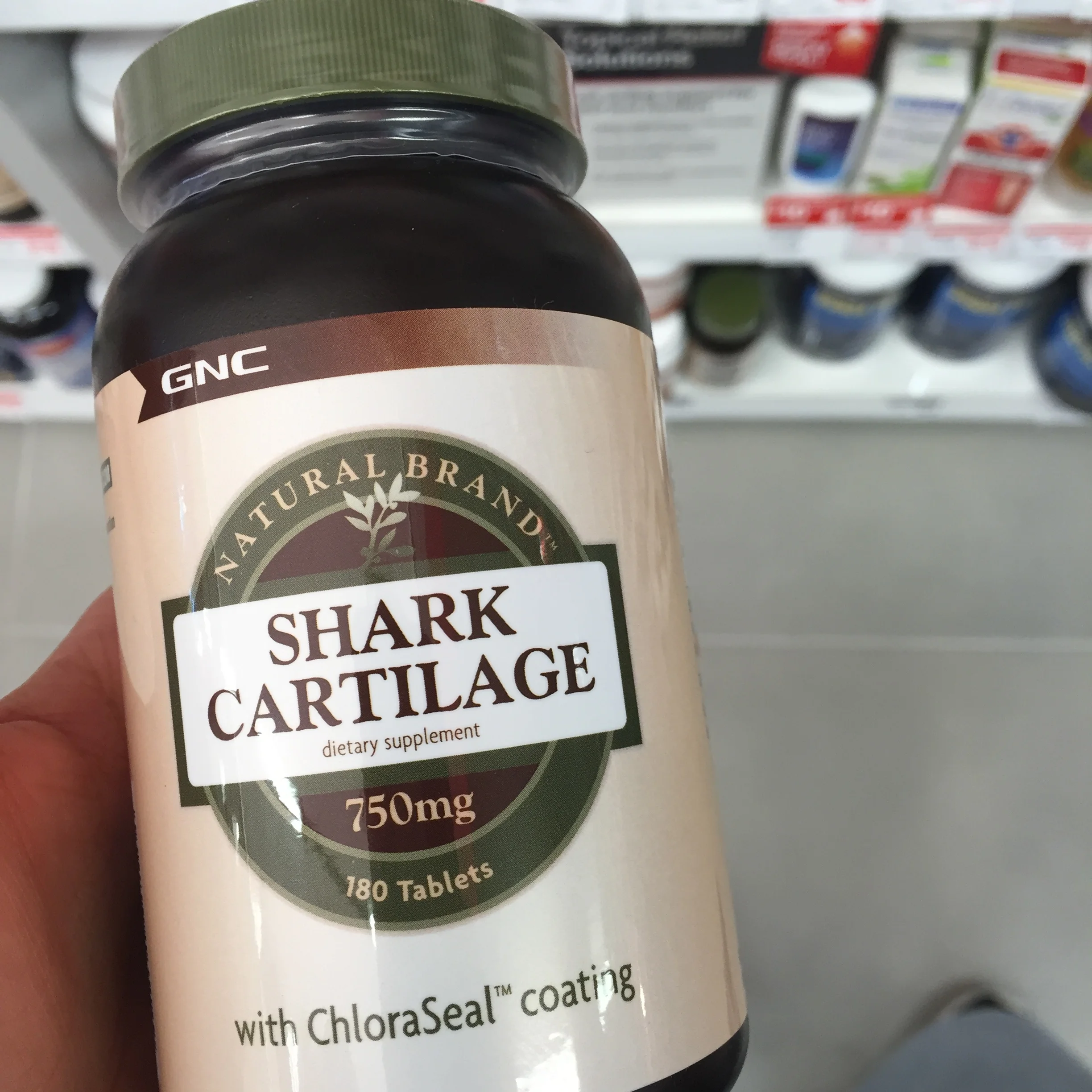
SHARK CARTILAGE Madison partnered with Fusion’s Project Earth team to focus on the shark cartilage industry. Shark cartilage pills, which are taken as health supplements, have no known health benefits and research has shown that they may contain toxins and chemical properties that could be harmful to humans; yet they are available almost everywhere. She initiated DNA tests on samples that revealed various brands of shark cartilage pills contained cartilage from an endangered species of shark, while other brands didn’t have shark cartilage at all, but rather DNA from other marine animals, one even having Manta ray.